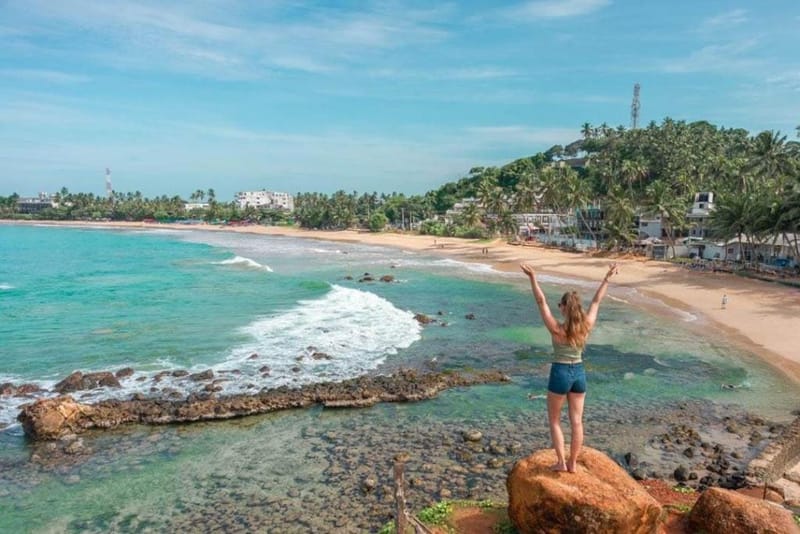
Whale watching in Mirissa
Mirissa sits beside one of the deepest continental shelves in the world, which is why blue whales — the largest animal that has ever lived — pass within a few kilometres of the harbour. Here is what you actually need to know.
The season
Boats run from November to April, and the reliable months are December through March. The peak is late January to early March, when sightings are close to routine. Outside the season the sea is too rough and most operators stop entirely — if someone offers you a trip in July, they are selling you a boat ride, not a whale.
Your realistic chances
In peak season, most boats find something on most days — blue whales, sperm whales, Bryde's whales, and spinner dolphins in the hundreds. Nobody can promise you a whale, and any operator who does is lying. Reputable companies offer a free second trip if you see nothing, which is a much better signal than a guarantee.
What the morning looks like
You leave the house around 5:30 and the boat leaves the harbour at 6:30, because the sea is calmest early and the light is best. Expect three to five hours out. Breakfast and water are usually included. You will be back by lunchtime — and if you booked with us, our mother will have kept your breakfast warm.
What it costs
Expect roughly 8,000–12,000 rupees per person for a shared boat, more for a smaller vessel with fewer people on it. The cheapest tickets on the harbour put sixty people on a boat built for forty. Paying a little more buys you space at the rail, which is the entire point.
How to choose a boat
This is the part that matters. A good operator keeps a legal distance from the animals, never cuts across their path, carries proper life jackets for everyone on board, and does not race the other boats to a sighting. A bad one does all four and you will feel sick about it before you feel sick from the sea. We book guests onto operators we know personally — we live here, and we hear about it if anyone has a bad morning.
Seasickness — read this
The swell off Mirissa is real and a lot of people are surprised by it. Take a tablet the night before and another an hour before boarding, not when you already feel unwell. Eat something light. Stay on deck in the fresh air and look at the horizon, never at your phone. Sit low and central on the boat. If you know you are prone to it, choose a calm-sea day and a bigger vessel.
A word on ethics
Blue whales here are a resident population under real pressure from shipping lanes and boat traffic. Choose operators who keep their distance and switch to neutral when a whale surfaces nearby. If your boat charges an animal, say something. The whales were the reason this town changed, and it would be a poor trade to lose them for a closer photograph.
What to bring
- A light waterproof or windbreaker — you will get spray
- Sunscreen and a hat; the sun is fierce once it is up
- Motion sickness tablets taken in advance
- A dry bag or zip bag for your phone
- Sunglasses — the glare off the water is brutal
- A warm layer for the first hour before sunrise
Booking through us
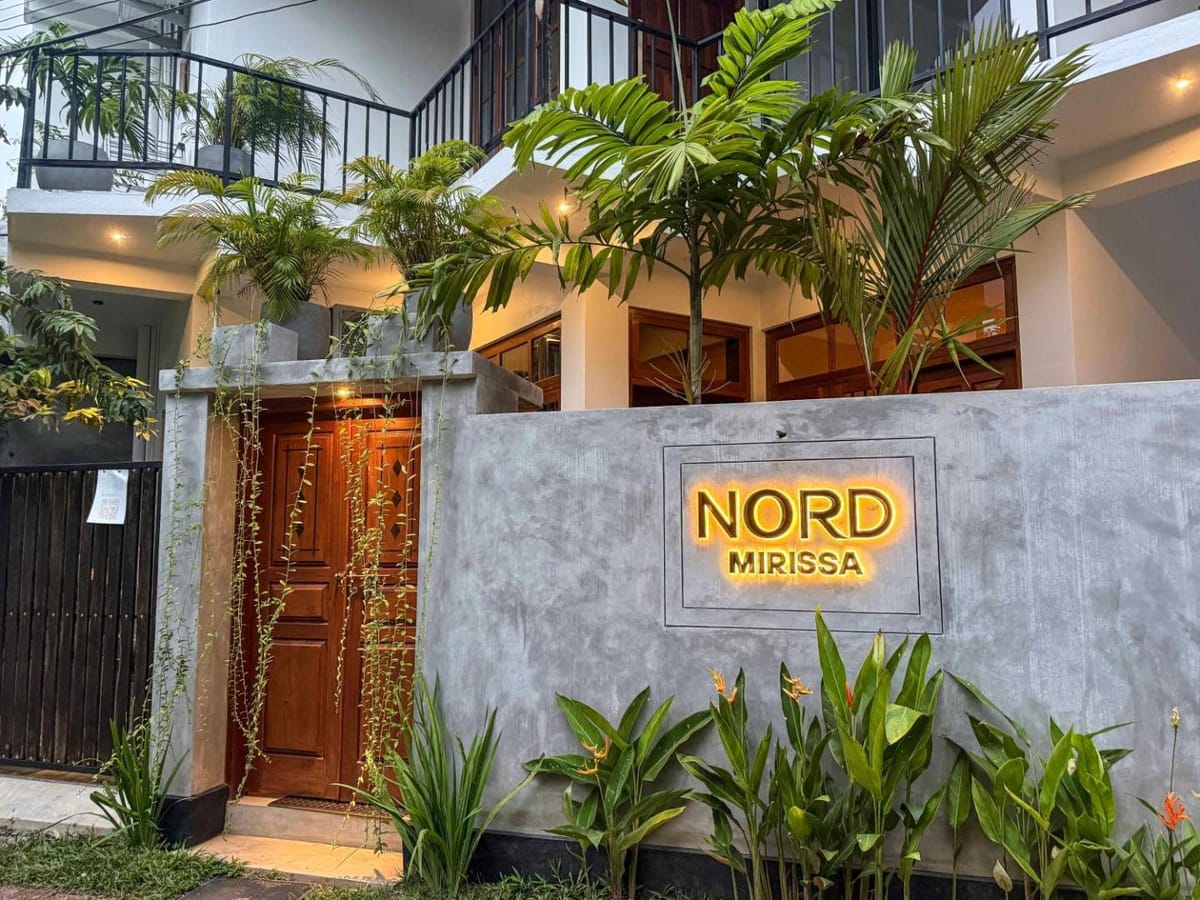
Tell us at check-in and we will book you onto a boat we trust, arrange the tuk-tuk to the harbour for 5:30, and have coffee ready before you go. No mark-up — we pay what you pay.
We usually reply within an hour.